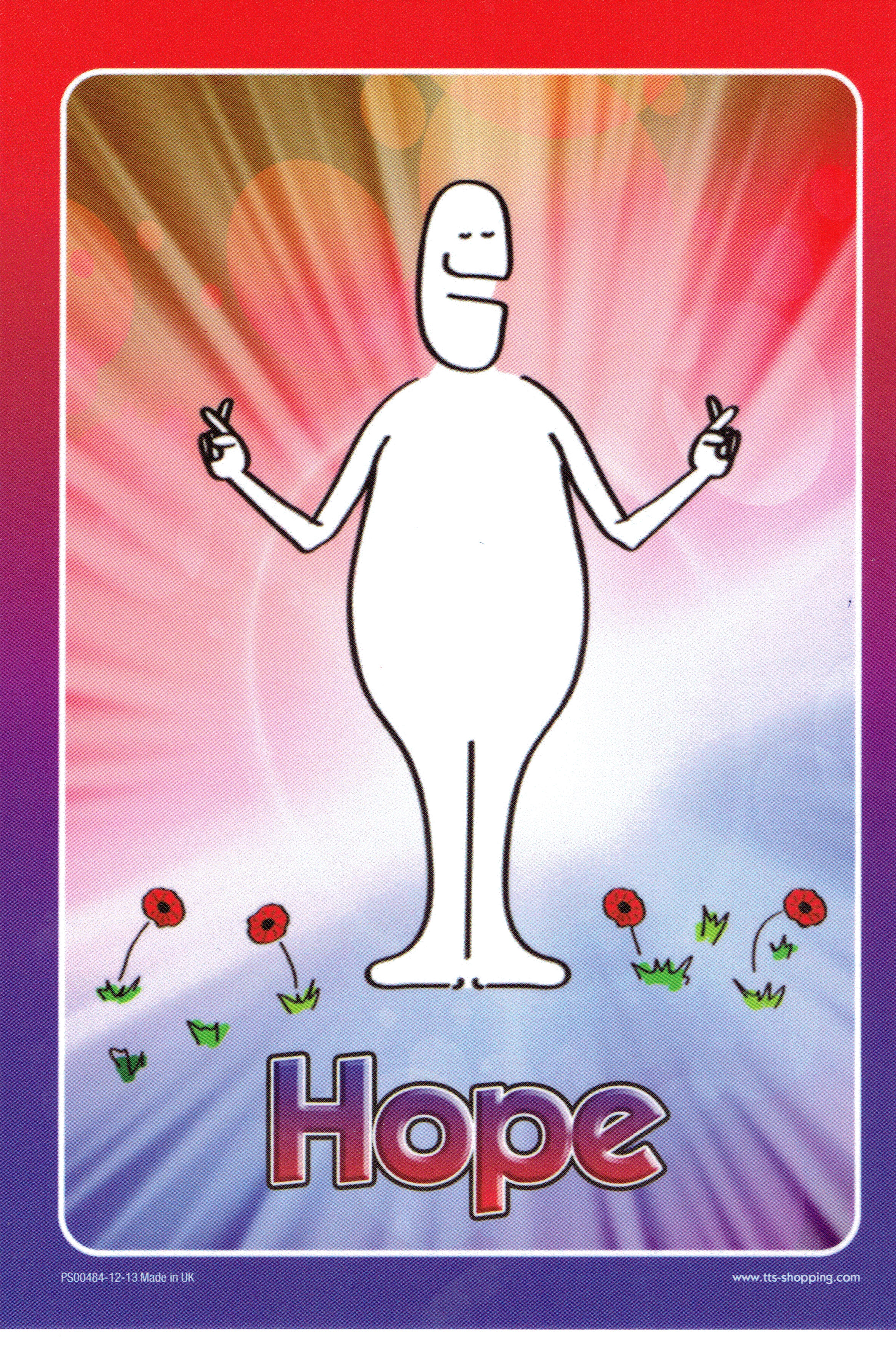
Hope is a forward looking virtue and one that is at the heart of teaching and learning – we teach for the future, we pass on wisdom (we hope) and knowledge and culture – good things – to the next generation.
So it is something of a paradox that a good way to BUILD hope is to reflect on the past, to tell the story of where we have come from, of past hopes that came true, past struggles survived. So this post is my reflection on where Celebrating Strengths has come from, the story of how it came into being. It is also a way of building my own personal hope that it might continue to grow and spread and do a little bit of good in the world of education and in the lives of children and teachers…
Starting with storytelling
With a Masters Degree in Child and Adolescent Mental Health from The Tavistock Clinic and UEL, and a background in special needs teaching, I wrote an article, in 2003, on the importance of traditional tales, legends, myths and fairy tales in education for a teaching magazine called Five to Seven (published by http://www.markallengroup.com). One phone call later and I was delivering a training day to Riddings Infant School in Scunthorpe on using fairy tales, and reviving the ancient teaching technique of story telling.
I focused NOT on using stories to teach spelling or grammar or reading but on using them to nurture the well-being – the mental health – of children and I emphasized the importance of fostering the art of story telling in schools. Story telling is an ancient and powerful teaching technique, creative, nurturing, using the whole teacher and engaging the whole child. Oral story telling can enhance the ability of ancient and powerful stories, like myths and fairy tales, to help humans make sense of the world and of themselves, and to pass on wisdom and values from generation to generation.
Adding reflection and celebration
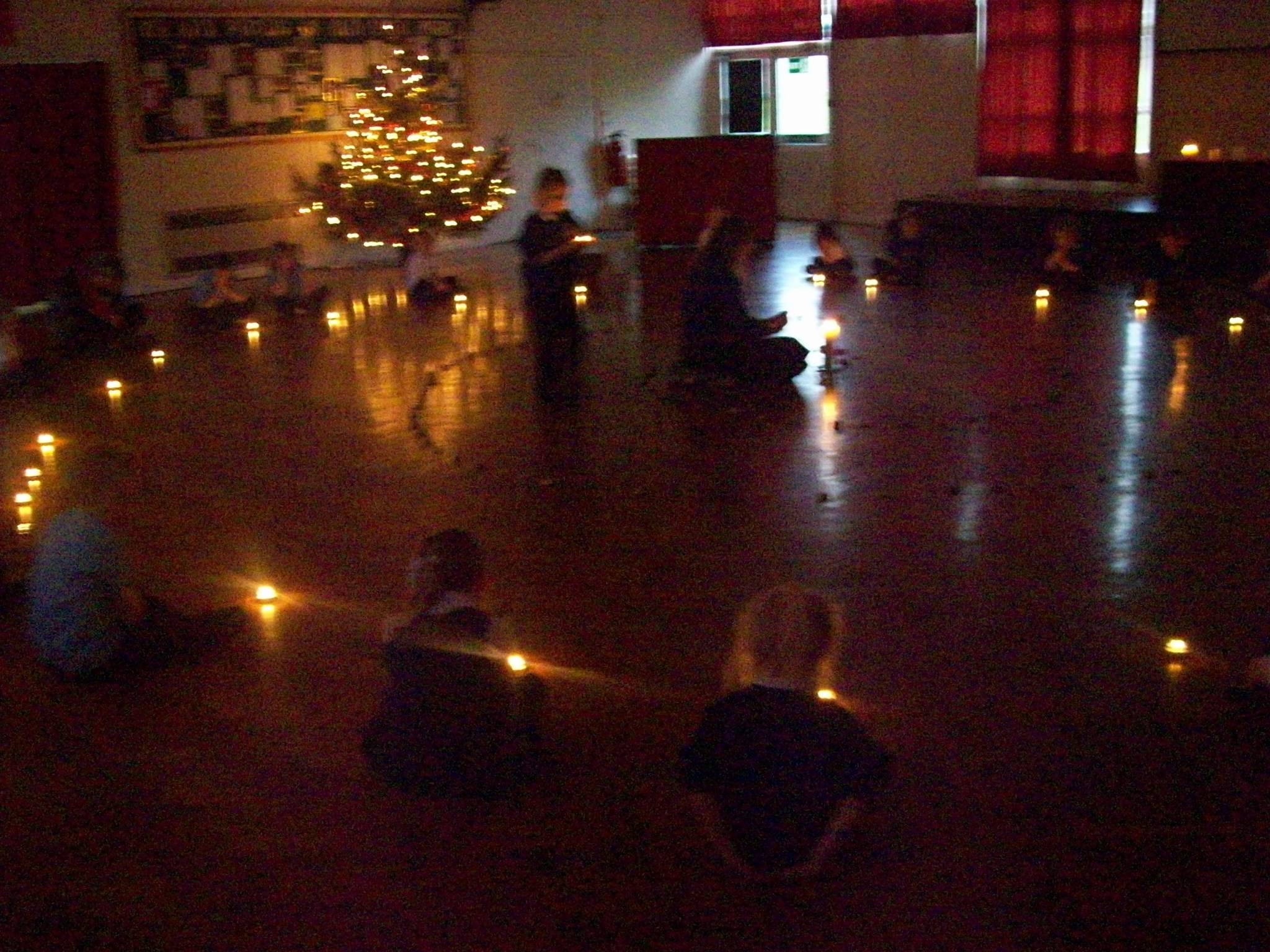
As well as storytelling, another way that human societies have fostered well-being and passed on values to the next generation, has been to take time out of the daily routine to reflect and to celebrate. So at Riddings, we decided to create a yearly cycle of celebrations – festivals that allowed us time to reflect, to tell stories and to celebrate just being a community together. We first developed an Advent festival, that became a Festival of Lights, with the highlight being the Spiral of Lights #SpiralofLights. 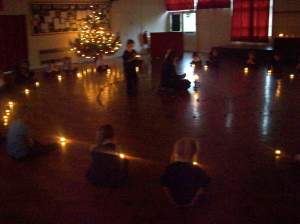 This has now become a valued tradition in schools in Scunthorpe and elsewhere in the UK.
Other festivals we developed were a Beginnings Festival, an Endings Festival and festivals that celebrated the local and global community and the performing arts. The ideas and stories behind these festivals were later published by TTS as a series of 7 festival books

http://www.tts-group.co.uk/shops/tts/Products/PD3029641/Character-Strengths-Festival-Books/?rguid=ff14c56d-720e-417f-bffa-d6518492f196
Character Strengths – the final ingredient
The last ingredient we added to the mix, the staff and pupils of Riddings Infants, (and by now also Leys Farm Junior School, Riddings Juniors and Enderby Road Infants) and I, was the character strengths and virtues of Chris Peterson and Martin Seligman (2004).
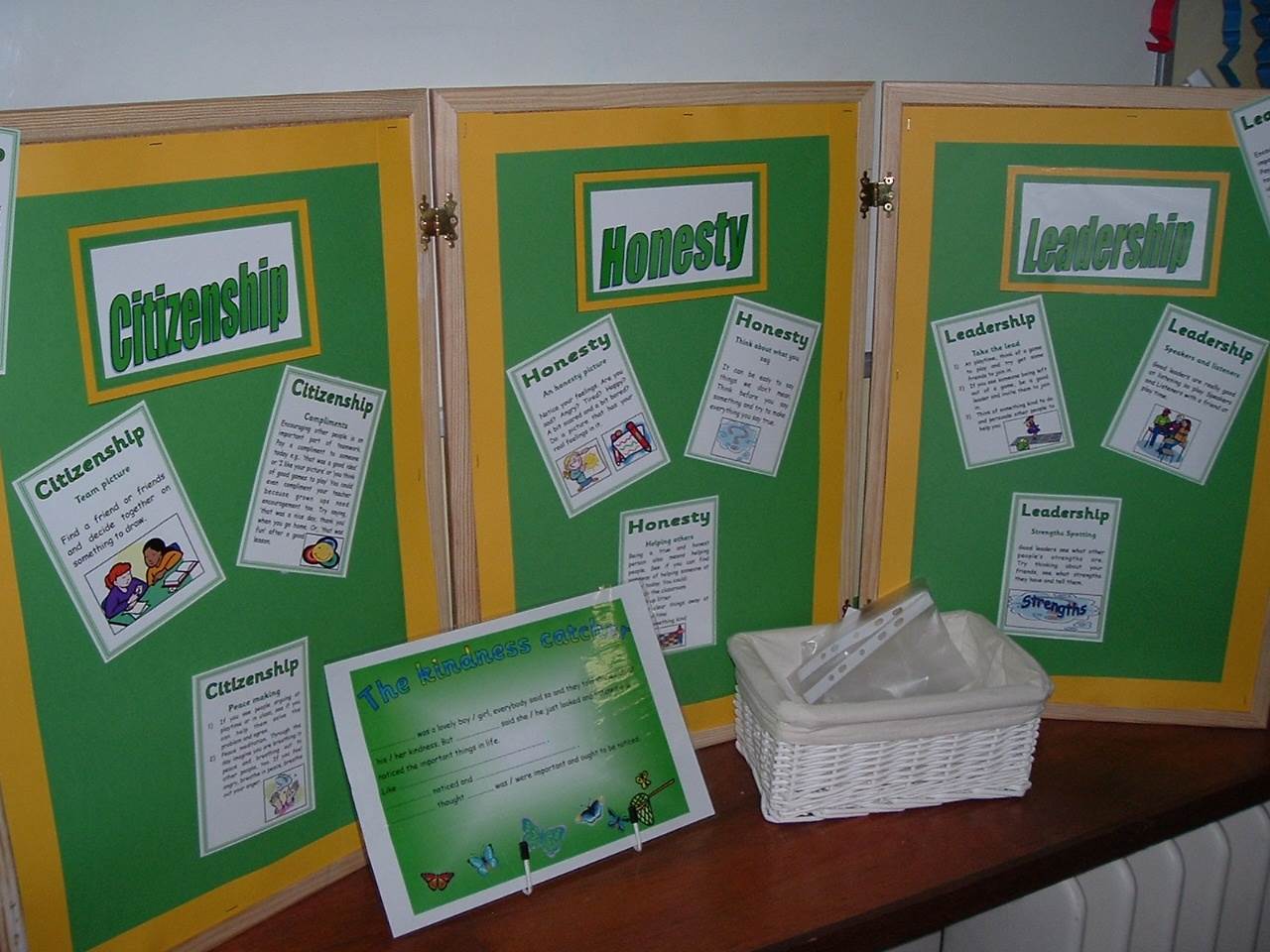
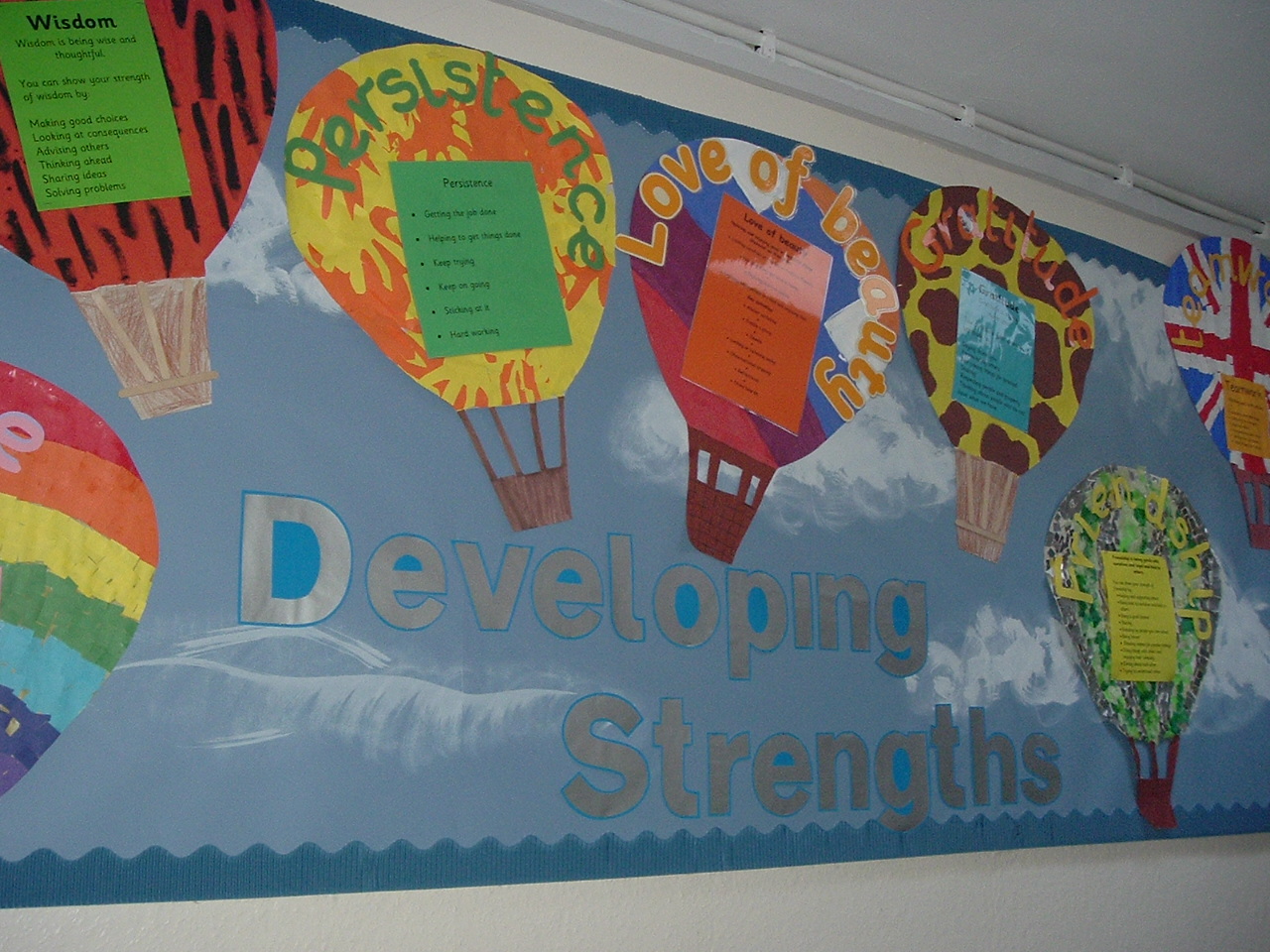
We loved the words, the children loved the words. Parents began to comment when their 5 year olds came home talking about persistence or gratitude. We added signs from British Sign Language to the words, we added the words to displays and linked them to the stories and festivals we were already using – and Celebrating Strengths was born!
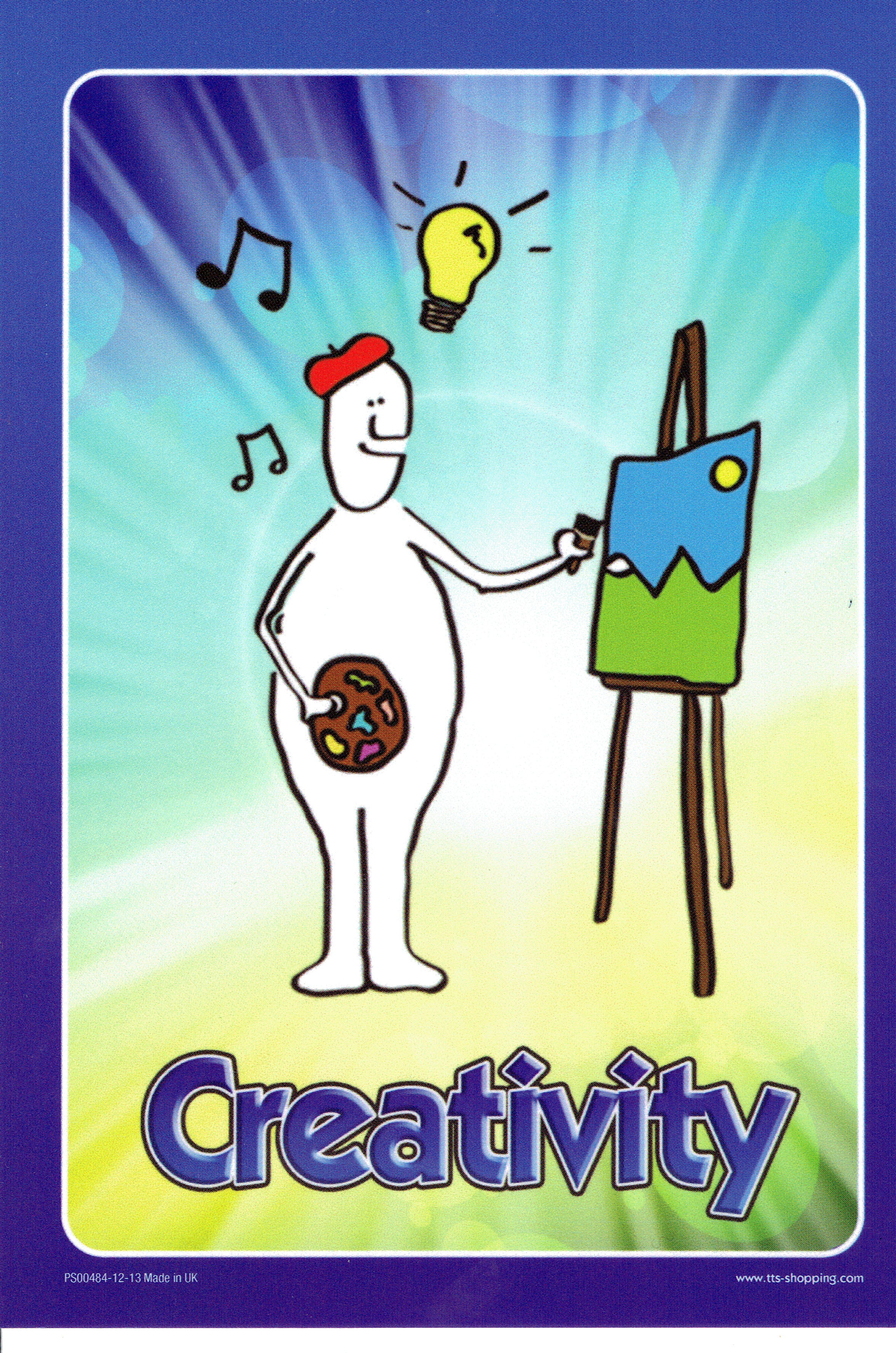
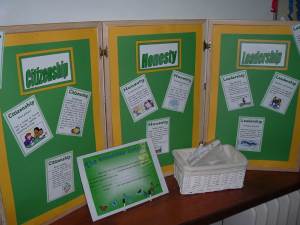 At first the schools and I made our own resources, I wrote versions of over 60 traditional stories and sent them to the schools, we created pictures and certificates to embed the character strengths in the environment and language of the schools. Then, a lovely young Danish teacher and artist, Laura Linder, drew me some cartoons of all of the strengths and, with some added ideas from the pupils of Bollington Cross Primary School, the beautiful cartoons now published by TTS were born.
 I am proud of Celebrating Strengths. It has developed over the past 10 years. There are several books that describe the ideas behind it

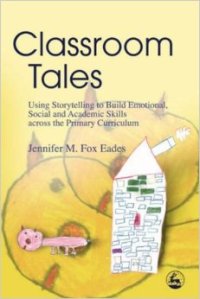
It has been used in Denmark and translated into Danish! It is known and used by schools in Australia, too.
But what I am MOST proud of is the fact that it combines the wisdom of so many people. As this post makes clear, no one person created Celebrating Strengths. It was, very genuinely a collaborative project – the staff and children of Riddings Infants, Leys Farm, Riddings Juniors, Enderby Road …my lovely colleague Belinda Catt who then introduced it to Frodingham Infants School …the staff and children of Bollington Cross Primary…the work of Peterson and Seligman, the beautiful cartoons of Laura Linder, my superb colleagues at TTS, my Australian colleagues at schools like Geelong Grammar, Burgmann and St Michael’s Anglican Schools and the Berry Street Institute Schools, who adapt it for their own very different cultural climate…the nameless creators of the stories we tell…The Selkie Wife, Red Riding Hood, St Werburgh and the Geese….
And now it is my pleasure and privilege to be working with some more amazing schools – and pupils and teachers, who are changing and developing it further – Thomas Gray Primary in Bootle, Downshall Primary in Ilford, St Paul’s Poynton. These UK schools are using it as a practical and positive way of implementing #PSHE, personal, social and health education and #SCSM spiritual, cultural, social and moral education. I am researching it and developing it further for my own PhD.
And the developments and the changes and the bright ideas we come up with, will, hopefully, (because hope is where this story started), be written about here in this blog and will help, in a little way, to foster education, to pass on good things, like love and kindness, stories and silence, to the next generation. I hope so, anyway.
Peterson, C. & Seligman, M. E. P., 2004. Character strengths and virtues: A classification and handbook. Washington DC: American Psychological Association.






 Jennifer Fox Eades: Alexander Technique Teacher