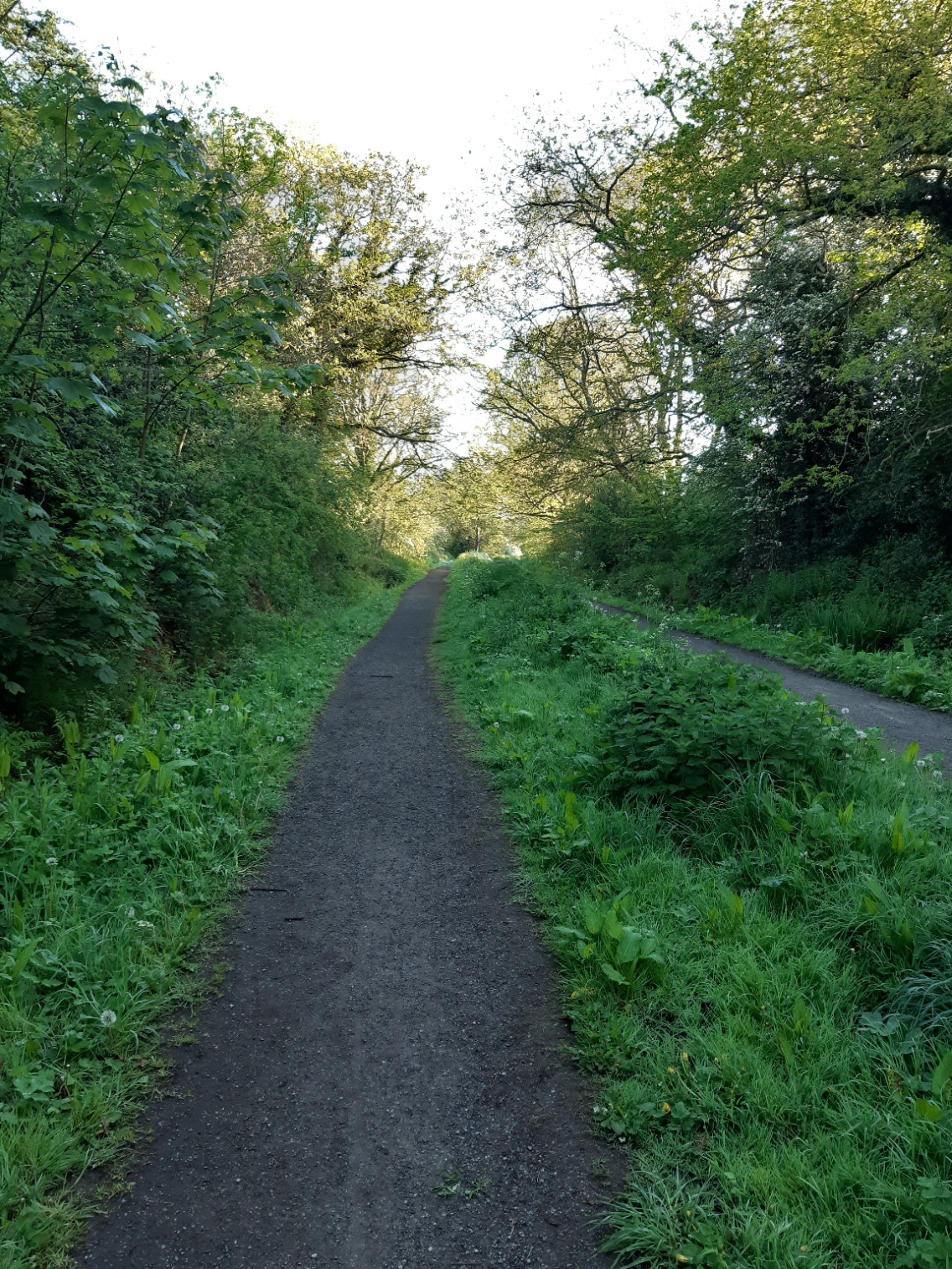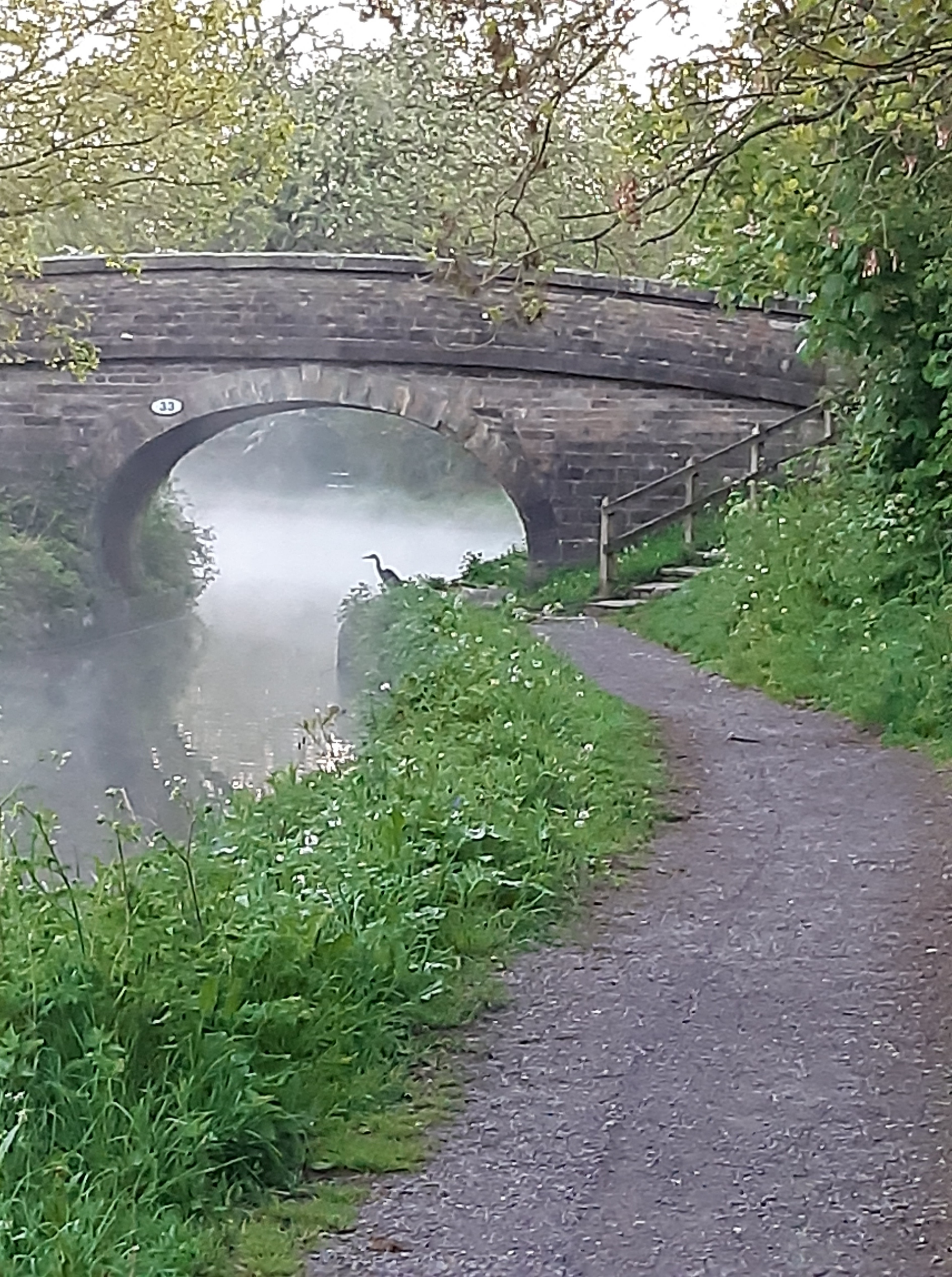
This post is written a week after my last walk….a long walk to Marple and back. And perhaps it was too long? It certainly left me with bruised toes and a need to work out how to better protect my feet on a 20 mile hike. And perhaps it left me with a bruised ego too…..hence the time lag between walking and reflection. Somehow I thought I could do this without struggle, without pain.
But the day AFTER my overly long walk, I was planning ANOTHER pilgrimage, this time with Year 6 at St John’s Primary School, Bollington. The children want to walk a Bollington pilgrimage as part of saying goodbye and marking the end of their time at primary school. And a wise and articulate 11 year old girl said, ‘It can be hard work. Pilgrimages ought to be hard’.
And of course, she is right. Pilgrimages ARE meant to be a struggle, are meant to tax us, physically, mentally, spiritually. Because it’s when we are challenged that we grow.
And my walking is being done in the season of Easter. As I explained to children at St John’s and Bollington Cross this week, Easter is a LONG festival, it lasts 7 Sundays, ending on the feast of Pentecost on 24th May this year. And I have been walking it with Werburgh and, a little unexpectedly for me, with a new sense of the presence of the Risen Christ.
Ian Mobsby, in his reflection for the Sixth Sunday of Easter speaks of letting go as a contemplative practice….letting go of certainty, letting go of needing to have clear answers, letting go even of our images of God. https://postsecularcontemplative.substack.com/p/easter-week-6-10-16th-may-reflection?r=50siwv&utm_campaign=post&utm_medium=web&triedRedirect=true
I agree. That has been my experience. About 20 years ago, after being profoundly wounded by people in the church, I felt called to let go of everything I believed about God. And it hurt. And I felt a sense of loss, of bereavement. I mourned the faith I had let go of.
More recently I found myself unexpectedly back in church and even on the path to ordination. Yet I also found myself letting go of Jesus. It was not that I stopped believing in the Trinity, the kind divine community at the heart of Christianity but the White Jesus, the Colonial Jesus, the dominating, powerful macho Jesus proclaimed in a riot at the Whitehouse and used to wound and hurt my black and disabled and LGBTQI+ friends….I felt called to let go of him. Not really knowing if another Jesus would turn up…..
And again, I felt lonely. Again, it hurt. Again I mourned the relationship I had let go. But I just wasn’t sure who Jesus was anymore. It was hard, listening to friends in chapel singing about this Jesus I didn’t think I recognized anymore. Intellectually I knew Jesus hadn’t gone anywhere but he felt …..absent.
And then, again unexpectedly, this Easter, the Risen Christ has been with me once more, walking the canal paths, sitting with me in Ian’s beautiful meditations, somehow there once more. And I feel a profound comfort and a sense of being healed, of being held.
The spiritual life IS a pilgrimage. And I know I, at least, need to let go of the idea that this pilgrimage is, or ought to be easy. Ought not to hurt. Because sometimes we get bruised toes. But always, always…..felt or not…….the Risen Christ is with us. Amen.